Why a Solid Oak Dining Table Is Only as Good as the Artisan Behind It
Many people see “solid oak” on a label and think, straight away, that it means high quality. Solid oak dining tables do have a strong reputation. Oak is dense, durable, and looks beautiful in many homes. But the timber alone doesn’t guarantee a good dining table. Without a skilled maker, even the best oak can twist, crack, or just feel awkward in the room.
Oak Is a Starting Point, Not a Guarantee
Oak is prized for its strength. It can handle daily use, heavy plates, and regular family meals. That’s why solid oak dining tables show up so often in homes that value longevity. The material is a strong starting point.
Still, timber by itself doesn’t give you a comfortable or stable piece. Australian made dining tables can fail if the builder rushes the job or doesn’t understand how the wood behaves. Poor drying and storage can lead to warping. Joints that are too weak can open over time. Heavy tops without proper support can sag. You may have seen large dining tables that wobble or huge dining tables that feel out of scale in the room.
Finishing is another place where things can go wrong. A dining table can feel sticky, too glossy, or rough to the hand if the surface work is rushed. Edges might feel sharp. The grain can look flat instead of deep and warm. In short, solid oak dining tables need more than good timber. They need careful thinking at every stage to avoid these common issues.
The Eye and Hand of the Artisan
An experienced artisan brings something that a simple factory line can’t copy. They work with oak over many years and start to understand how it moves with the seasons. They think about how the dining table will behave after winters and summers. That mindset shapes every choice.
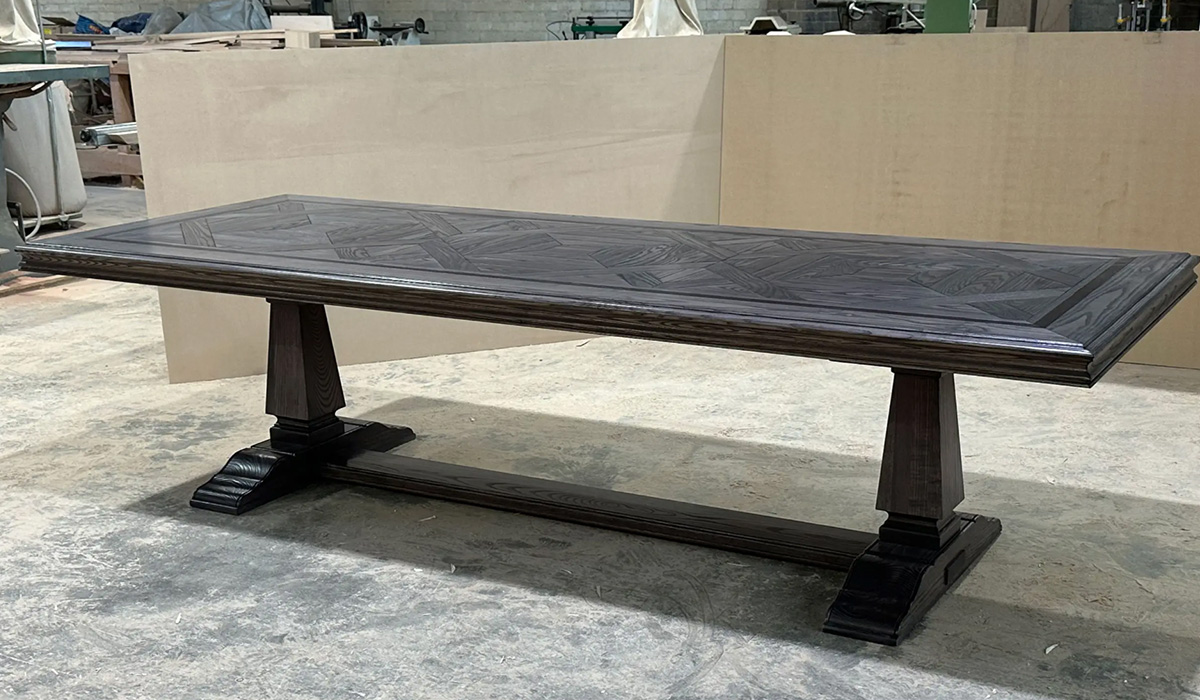
Proportion is a good example. The maker has to balance the thickness of the top with the size and position of the legs. Large dining tables and huge dining tables need strong support, but they shouldn’t feel heavy or clumsy. A skilled craftsperson knows how far they can span, where braces are needed, and how to keep legroom comfortable.
Joinery is just as important. Well-planned joints help control movement and stop the top from twisting or cupping. An artisan who builds handcrafted dining tables regularly will choose joints that suit Solid oak dining tables, rather than relying on quick metal fixings. They also pay close attention to grain direction, so any natural movement in the wood doesn’t fight against the structure.
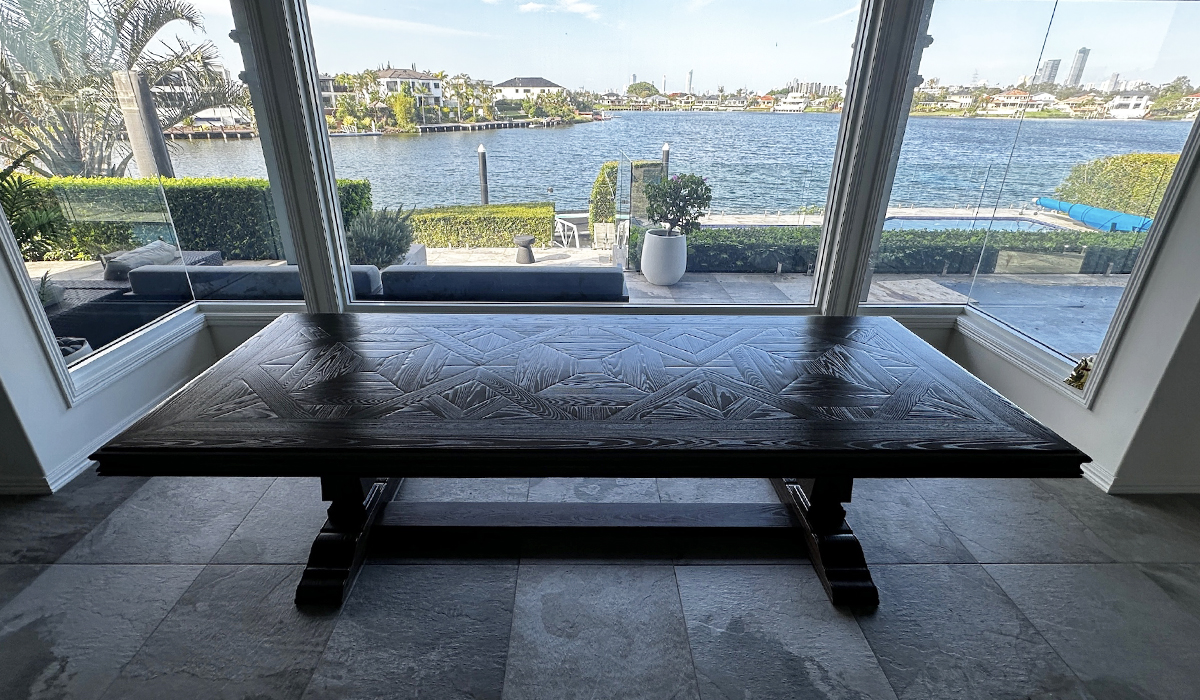
The grain itself is almost like a map. An artisan reads it and chooses how to place each board. Small knots or shifts in colour can add character if they’re placed thoughtfully. The same marks can become weak points if they’re put in the wrong spot. That judgement is hard to teach from a textbook. It comes from experience, it builds slowly, piece by piece, over many years at the bench.
French furniture traditions often feed into this way of working. Classic French designs for handcrafted dining tables tend to favour clear lines, balanced legs, and tops that feel calm, not busy. Makers who draw on these ideas learn to edit, to hold back extra details, and let the oak speak on its own. That restraint can make Australian made dining tables feel settled and timeless in a wide range of interiors.
Conclusion
In the end, oak is just the starting point. A solid oak dining table really earns its place in your home through the person who builds it. So if you’re thinking about solid oak dining tables for your home, it helps to look past the label. Ask how the solid oak dining table is built.
Every item of furniture made by luxury interior designer and furniture manufacturer Mark Alexander is bespoke, made for your area, made for your space. Discover how we can bring your perfect solid oak dining table to life.