How to Care for a Solid Oak Dining Table So It Lasts a Lifetime
Solid oak is one of the most forgiving timbers you can put in a dining room. It is not, however, indestructible. A solid oak dining table that gets treated well settles into a home for decades. One that gets ignored, left under direct sun or wiped down with the wrong product, can start looking tired far sooner than it should.
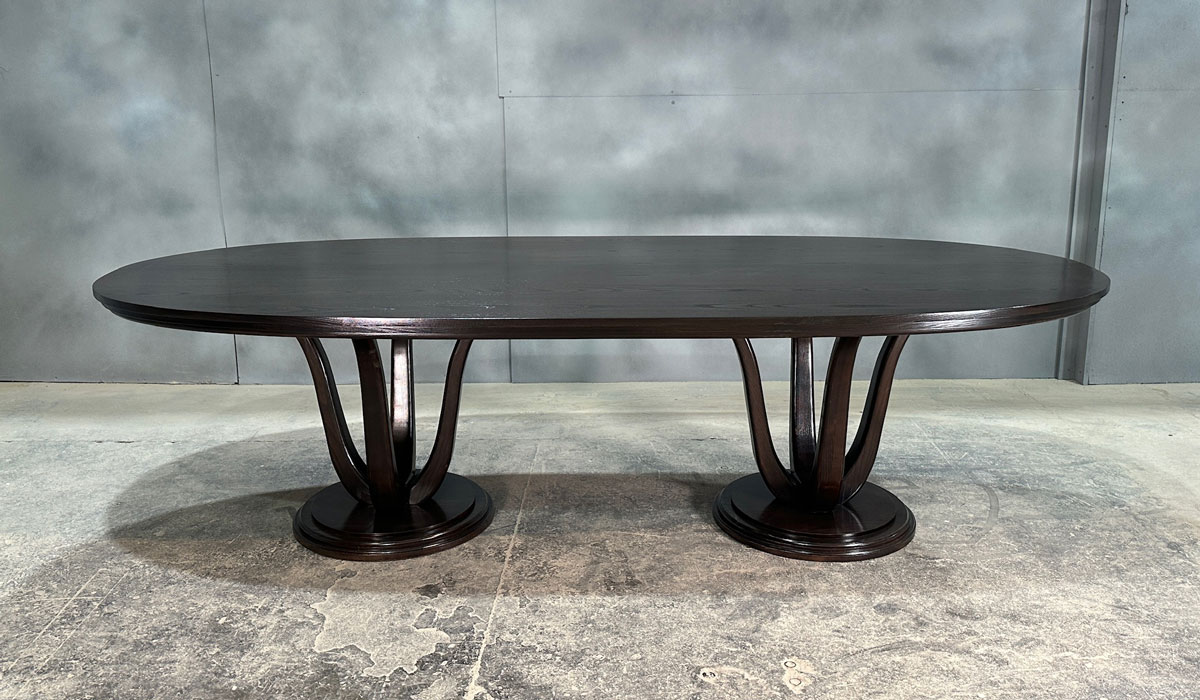
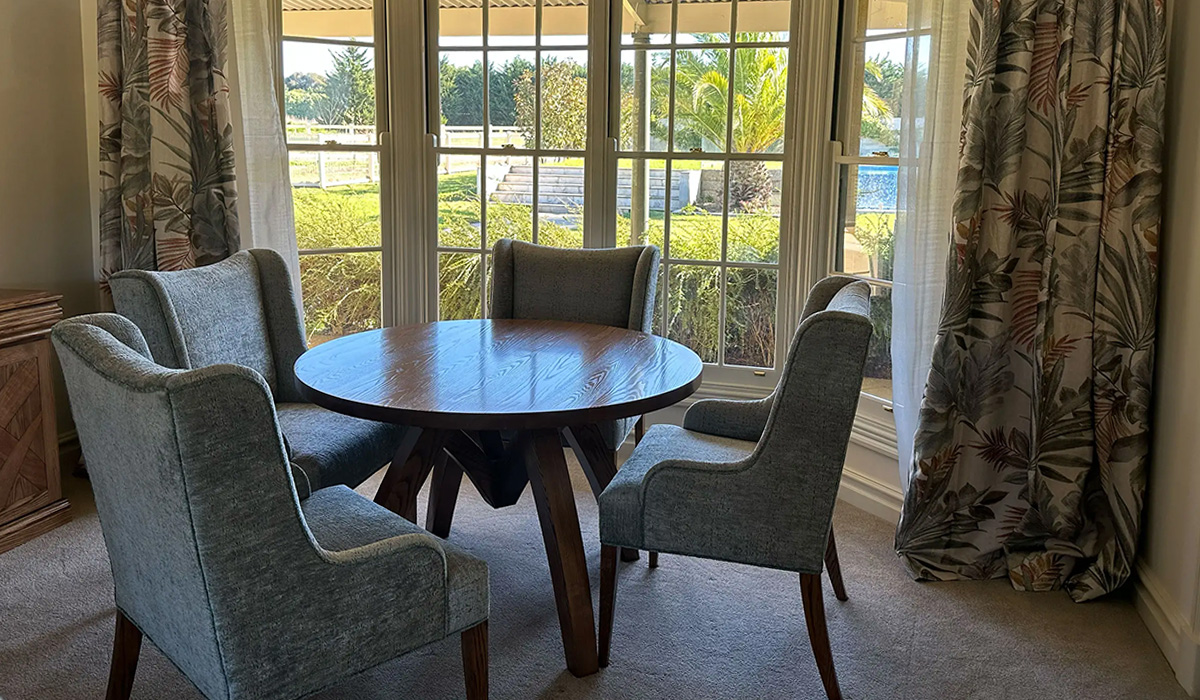
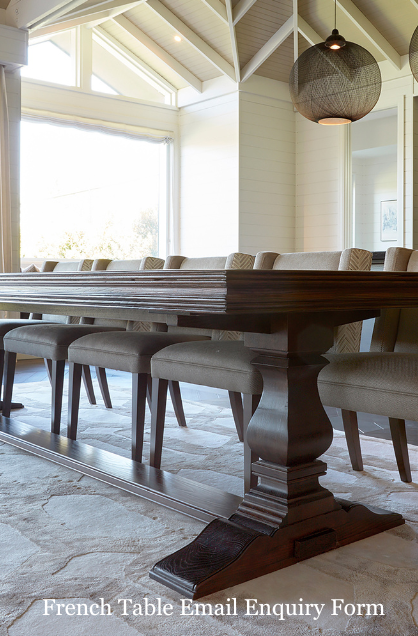
French Tables by Mark Alexander Design Artistry is a leading Australian made furniture designer, artisan and supplier of solid oak dining tables, handcrafted in Melbourne. This guide covers what actually keeps an oak dining table in good condition, day to day and season to season, so a piece built to last a lifetime actually gets the chance to stay the same.
Why Oak Behaves Differently To Other Timbers
Oak is dense and durable, which is exactly why it holds up so well under daily use. That density does not mean it is unaffected by its environment though. Solid timber moves constantly in small, mostly invisible ways, expanding slightly in humid weather and contracting when the air dries out.
This is normal, and it is not a fault. A well built solid oak dining table is designed with this movement in mind. What it does mean is that the way you look after the solid oak dining table, where it sits in the room, how it is cleaned, what touches its surface, all of it affects how gracefully that movement happens over the years.
Everyday Cleaning That Actually Protects The Timber
A soft, dry or slightly damp cloth is really all a solid oak table needs for regular cleaning. Wipe in the direction of the grain rather than across it, and dry the surface fully afterward rather than leaving moisture to sit.
Skip anything with silicone, ammonia or heavy chemical cleaners. These can strip or dull the finish over time, even when the label says it is safe for wood. If a proper polish is needed occasionally, a product made specifically for oiled or waxed timber finishes is the safer choice, and it is worth checking with the dining table’s maker before applying anything unfamiliar.
Spills are where most damage actually starts. Wine, oil, citrus and anything acidic should be wiped up as soon as it happens rather than left to sit, even for a short while. Oak resists staining reasonably well, but the finish protecting it does not resist everything indefinitely.
Protecting The Surface From Heat, Sun and Everyday Use
Direct sunlight is one of the more overlooked risks for any solid timber dining table. UV exposure gradually changes the colour of oak, sometimes unevenly if part of the dining table sits in sun and the rest does not. Where possible, position the dining table out of direct light, or rotate dining table runners and place settings occasionally so any fading happens evenly rather than in one obvious patch.
Heat is a similar story. Hot dishes, mugs and serving trays placed straight onto the surface can mark the finish or, in some cases, the timber underneath. Coasters, trivets and placemats are not just styling choices, they are doing real protective work every time they are used.
Felt pads under vases, lamps and decorative pieces prevent the small scuffs that build up over years of moving things around the dining table top without anyone really noticing.
Dealing With Scratches, Rings and Everyday Marks
Minor scratches are part of living with real timber, and on solid oak they tend to blend into the grain rather than stand out sharply the way they might on a painted surface. Light marks often soften on their own over time, especially on solid oak dining tables finished to age gracefully.
For anything deeper, resist the urge to reach for a generic home remedy. Oils, waxes and stains vary enough between finishes that a fix suited to one table can do the wrong thing on another. It is worth checking with the maker of the table before attempting a repair, particularly on a custom finish.
Water rings, when they do appear, usually sit in the finish rather than the timber itself, which is good news. Gentle, finish appropriate treatment can often reduce or remove them without needing to refinish the whole surface.
Seasonal Care and Managing Humidity
Australian homes swing between quite dry and quite humid conditions depending on the season and the region, and oak responds to both. In drier months, especially with heating running, timber can contract slightly. In humid periods it can expand. Keeping the table away from direct heating vents and out of rooms with extreme humidity swings, like right beside an unshaded window in summer, helps minimise the stress this puts on the joinery.
A consistent indoor environment does more for a table’s long term condition than almost any product applied to its surface. If the home naturally sits at a stable temperature and humidity year round, the table generally needs very little intervention beyond regular cleaning.
When To Reoil, Rewax or Refinish
Most oiled or waxed oak finishes benefit from a light refresh every year or two, depending on how much use the table gets. This is not a full refinish, just a maintenance coat that keeps the timber protected and the surface looking consistent.
A full refinish is a bigger job and usually only needed after many years, or if the table has taken on damage that surface maintenance cannot address. Because finishes vary between makers and even between individual pieces, checking with French Tables before undertaking any refinishing work helps make sure the right products and approach are used for that specific table.
Frequently Asked Questions
Can you use furniture polish on a solid oak dining table?
It depends on the finish. Many standard furniture polishes contain silicone or chemicals that are not suited to oiled or waxed oak. A product designed specifically for the solid oak dining table’s finish type is a safer choice, and checking with the maker first avoids any guesswork.
How often should a solid oak dining table be oiled?
Roughly once a year for solid oak dining tables in regular use, though this varies depending on the finish and how much daily wear the solid oak dining table gets. Some solid oak dining tables need it more often, others less.
Does solid oak scratch easily?
Not particularly. Oak is a dense, durable hardwood, and minor scratches tend to blend into the natural grain rather than stand out. Deeper marks are less common but worth addressing properly rather than leaving them.
Is it normal for a solid oak dining table to change colour over time?
Yes. Oak naturally deepens and shifts in tone with age and light exposure, which many owners see as part of the timber’s character rather than something to prevent entirely.
Keep Your Solid Oak Dining Table Looking Its Best
A little consistent care goes a long way with solid oak timber. If you have questions about maintaining your French Tables piece, or you are considering a new solid oak dining table for your home, get in touch with interior designer, furniture manufacturer and artisan Mark Alexander for tailored advice.